Beginning November 9, parties will gather in Antalya, Türkiye, for COP31 to review progress and agree on future actions to tackle climate change and its effects. During Climate Week in New York, COP31 president, Murat Kurum, unveiled an action agenda for the conference, built around ten themes with a focus on implementing past climate commitments rather than making new ones.
With youth and education one of the main themes, COP31 is a timely moment to explore how commitments to locally led adaptation can center the children and young people who are inheriting a changing world — a question research from The Share Trust and Save the Children helps to address.
As a starting point, adaptation needs sustained forward movement. At COP30 in Belém last year, adaptation goals took center stage. Parties called for efforts to at least triple adaptation finance by 2035 and adopted the Belém Adaptation Indicators to track progress toward the longstanding Global Goal on Adaptation (GGA). With adaptation funding often overshadowed by spending on mitigation, this was a meaningful start, though nowhere near enough to close the adaptation financing gap. Momentum has since stalled, with the Bonn climate talks in June getting stuck over questions of who should determine the indicators’ methodology and whether the commitment to triple adaptation funding should be mentioned in the text. Both questions remain on the table in November.
While the financing question will likely dominate at COP, we hope that the Principles for Locally Led Adaptation can carry real weight in what gets messaged, measured, and ultimately funded and implemented. As an accountability framework, the Belém Adaptation Indicators emphasize outcomes rather than process, so they do little to track or create incentives for local leadership. Genuinely locally led adaptation, on the other hand, requires deliberate attention to who holds decisions and resources — alongside what outcomes are achieved.
Children Have a Particular Stake
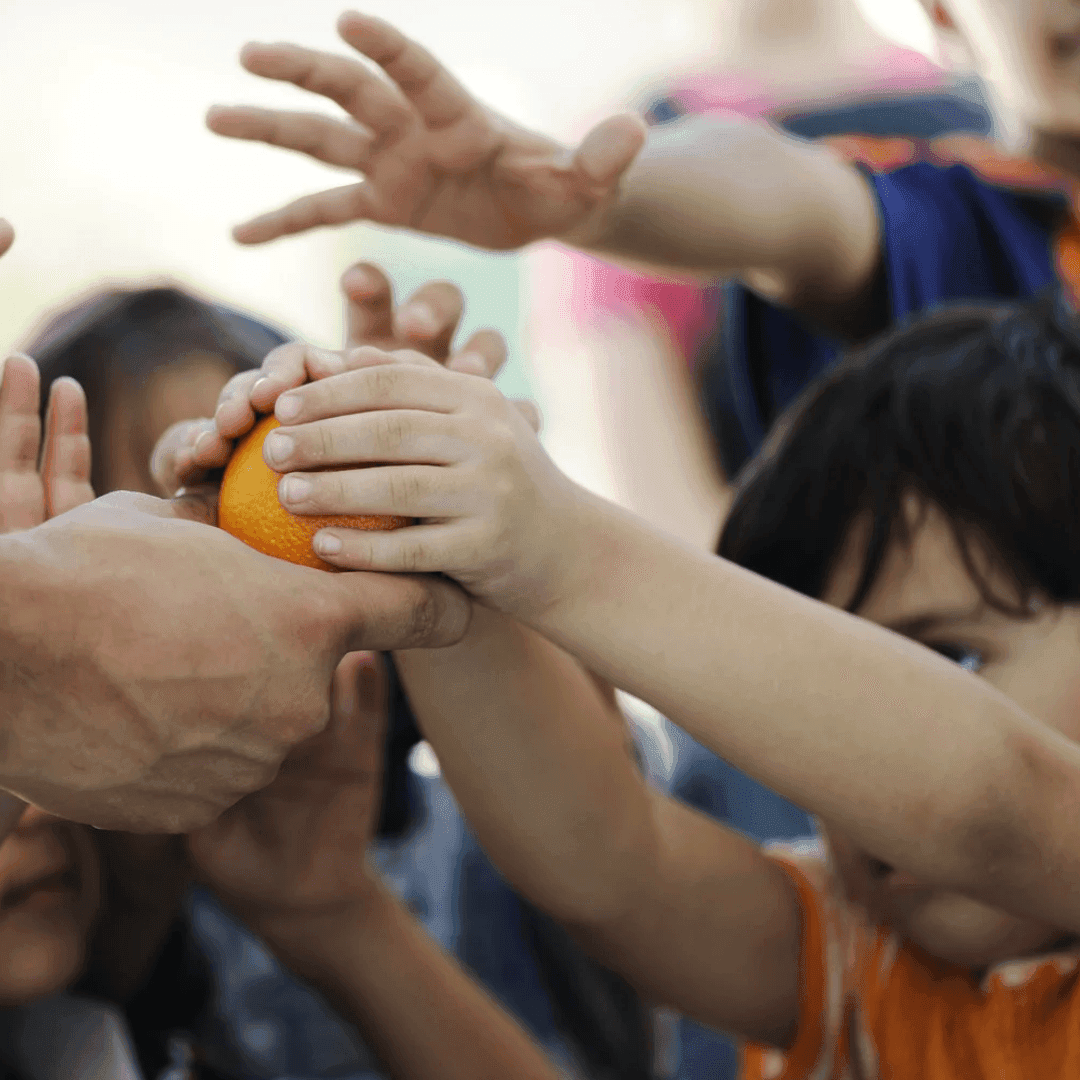
Children are an often-overlooked set of local actors that have a particular stake in the adaptation choices made today. A significant proportion of those affected by climate change are children (under 18 years old) who make up over 30 percent of the total population of all low and middle income countries combined and 50-60 percent of the population in some of the countries most vulnerable to climate change. This adds up to an estimated 1.2 billion children living in high risk areas. Schools, health systems, and social protection efforts, all of which serve children, are particularly vulnerable to or stretched by climate shocks. Furthermore, it is today’s young people whose future health, food security, and livelihoods hang most in the balance from current and projected climate impacts. It stands to reason that they should shape how their countries and communities adapt.
What Child-Responsive Locally Led Adaptation Looks Like
We have to take care not to burden child-responsive approaches with an unrealistic level of responsibility for children who have little ownership over the causes of climate risks and limited power to address them on their own. Moreover, fully child-led programming is not always feasible or desirable, but there are a range of approaches that center or are sensitive to children’s needs and priorities as critical stakeholders and future leaders.
Research by The Share Trust and Save the Children identifies emerging practices for child-responsive locally led adaptation, including:
- Enabling children to help identify risks and shape priorities. Strengthening child and youth decision making—including through eco-clubs and support for youth climate champions—can help strengthen both youth and community awareness and preparedness.
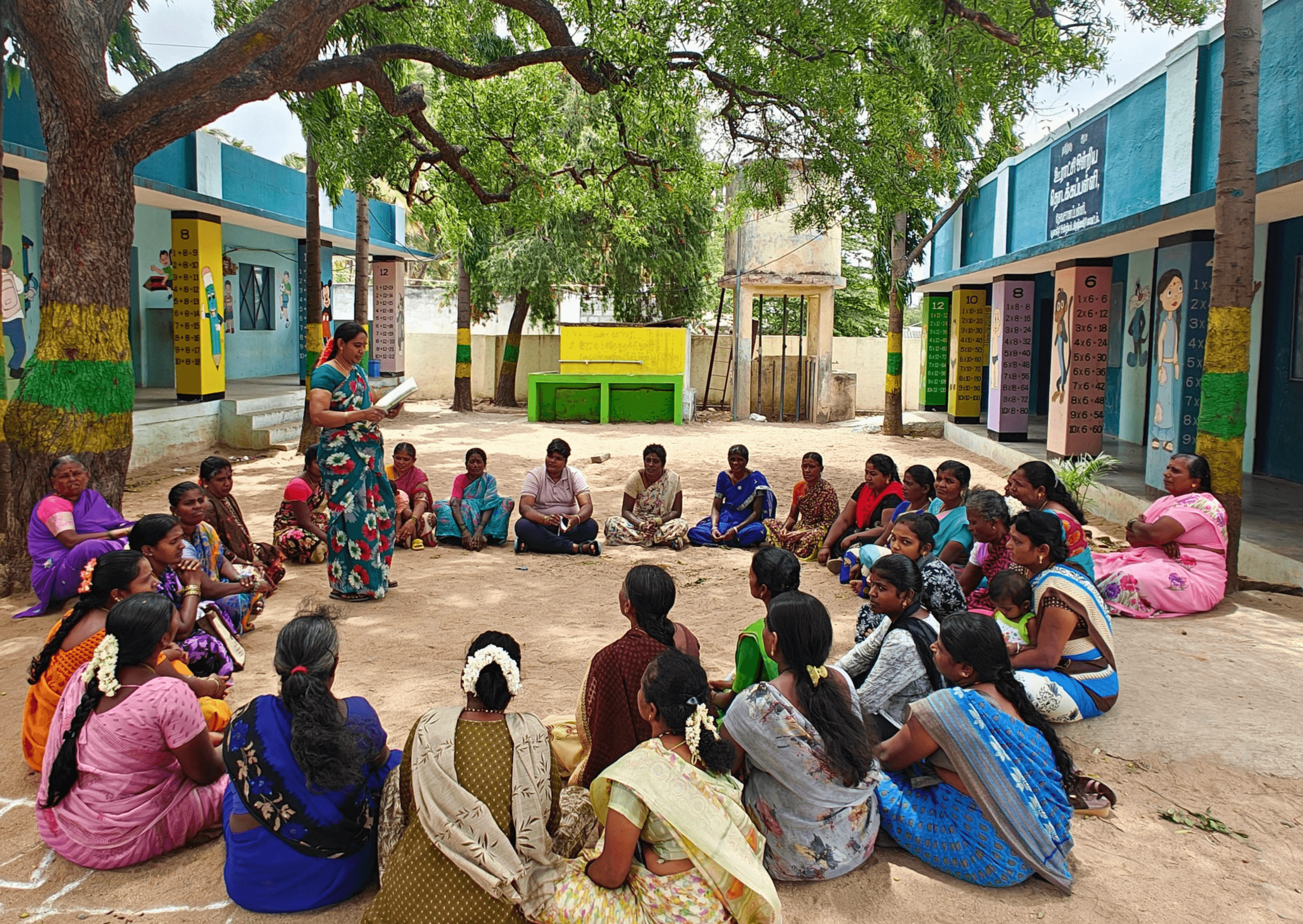
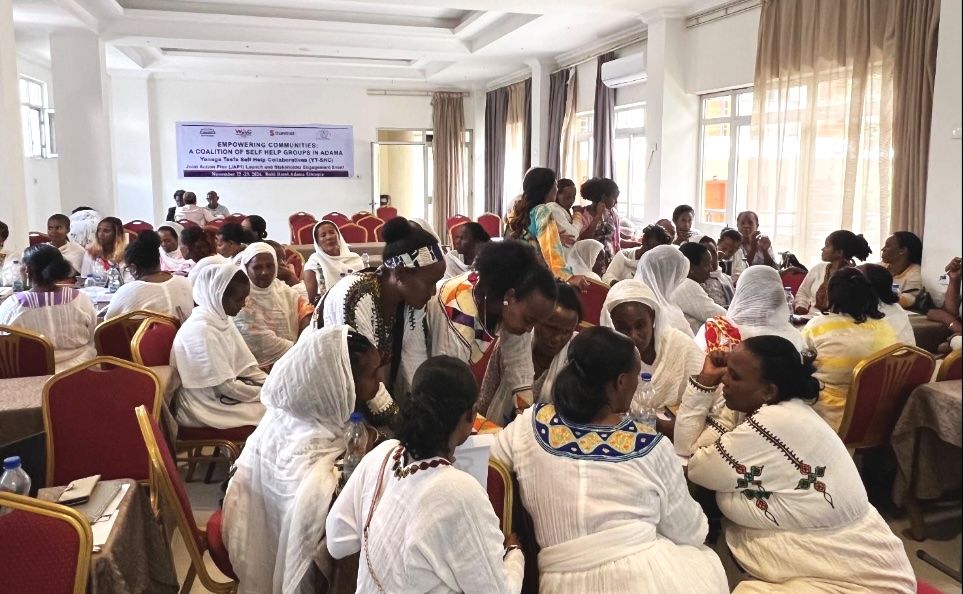
- Addressing gender inequalities. In many countries, women face distinct and often disproportionate climate risks and so elevating their leadership can also increase attention to the needs and experiences of children and youth. Gender analysis remains critical to ensure climate action addresses inequalities rather than potentially exacerbating them. And supporting existing women-led platforms, like community groups or Self Help groups, with long term, flexible funding can strengthen women’s position to address their priority challenges, including those related to climate shocks. For other programs, ensuring women and girls are part of program design, implementation, and learning processes can ensure a more comprehensive perspective of priorities and risks.
- Integrating conflict sensitivity. Children and youth face distinct climate-related risks and opportunities in fragile and conflict-affected settings, yet this lens is often overlooked in conflict sensitivity and political economy analyses. Linking gender and age-responsive and conflict-sensitive participatory planning with flexible and responsive funding can support more timely, inclusive, and youth-aware action.
- Supporting inclusive anticipatory action. Strengthening the role of anticipatory action strategies in climate adaptation establishes the links between near-term and long-term planning and resilience building. When anticipatory action, disaster risk reduction, gender and social inclusion, and adaptation planning are fragmented, duplication, inefficiency, and missed opportunities can result. Integrating these approaches, and the funding behind them, can help reach children before a shock rather than after.
What We Hope Emerges from COP31
As leaders gather in Antalya, the adaptation conversation must give weight to whose priorities shape it. That means:
- Measuring who decides. Complement the Belém indicators with measures of local and youth participation in adaptation decision-making and projects drawing upon the Child-Responsive Locally Led Adaptation Spectrum to measure progress.
- Linking youth to finance. Connect the youth and education theme to adaptation finance commitments, rather than as parallel tracks.
- Funding existing platforms. Channel long-term, flexible funding via intermediaries (such as local coalitions, networks, and pooled funds) to child, youth, and women-led platforms and initiatives, like Self Help Groups and Youth Clubs already driving locally led anticipatory action, preparedness, and climate adaptation.
The children and young people who will live longest with today’s choices belong at the center of adaptation. The practices emerging from this research show what that can look like, and the Child-Responsive Locally Led Adaptation Spectrum provides a tool to measure progress.